
Your space shapes you: Environmental health for rest and focus
Key takeaways
Your surroundings can make a chosen routine easier or harder to carry out.
You do not need a perfectly tidy home, new purchases or a complete room makeover.
Choose one change that addresses a real obstacle, then notice whether it helps.
Shared spaces, money, access needs and responsibilities shape what is possible.
Look at the space around the practice
In this part of Deep Health, we use an environmental lens to consider your everyday surroundings: home, work and the places where you rest or spend time.
This article focuses on practical daily settings. It is not a complete account of environmental health, which also includes wider issues such as housing conditions, pollution and safe access to water and services.
Start with a specific question: what in this setting helps or gets in the way of the practice I want to try?
Start with function, not appearance
A clear spot for the item you use, fewer notifications during a task or a place to put work materials at the end of the day may make a routine more workable. Those are options to test, not guarantees that tidiness will reduce stress.
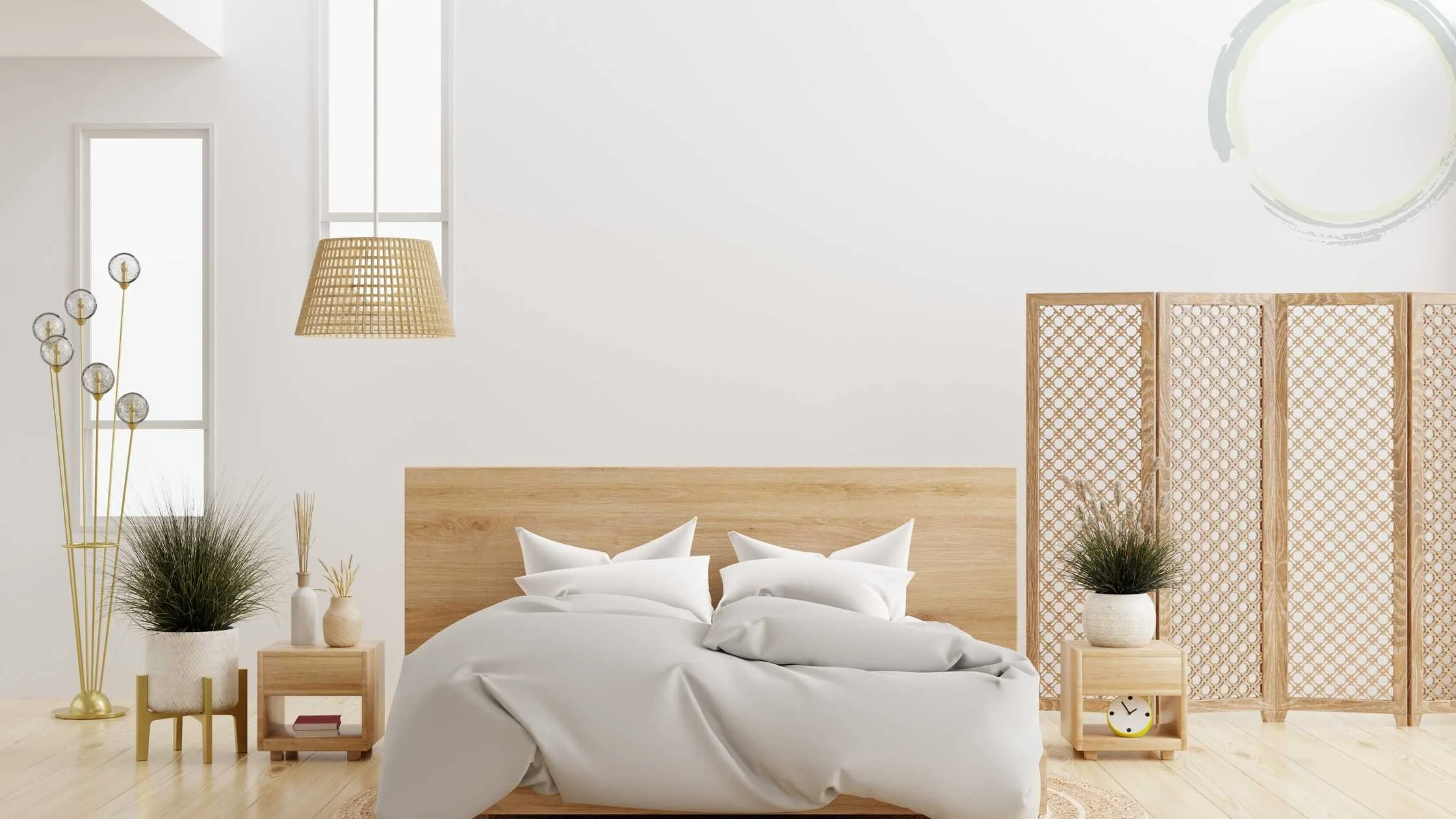
For sleep, the US National Heart, Lung, and Blood Institute recommends a bedroom that is quiet, cool and dark, allowing a dim night light if needed. It also advises reducing bright artificial light in the hour before bed. See its healthy sleep habits guidance.
Adapt changes to safety, comfort and access needs. Room changes alone may not resolve persistent sleep difficulties; seek appropriate professional advice when needed.
A moment to reflect
Use these optional prompts to identify a practical starting point. They are not a validated health score or a judgement about your home.
Where does the routine become awkward: finding something, getting started or switching off?
What is within my control, and what would require agreement with someone else?
Could I make the task easier without buying anything?
What needs to stay accessible, visible or well lit for safety?
Choose a small practice
Two minutes
Put one item where you will use it, or clear only the space needed for the next task.
Five minutes
Choose a realistic way to end work: save what you need, note the next step and put away materials if your space allows.
Ten minutes
Review one part of your evening setting. You might adjust a lamp, discuss noise with someone you live with or move a distracting device. Choose a change that fits your circumstances.
Keep walkways clear and retain enough light to move safely. Choose one experiment rather than making your whole home another project.
Explore the Deep Health series
Choose the topic that feels relevant now. You do not need to work through the series in order.
A smaller place to begin
Name one obstacle in your surroundings and one low-cost adjustment you can try. After a few days, ask whether the change made the intended routine easier. Keep it, adapt it or choose a different approach.
At Andala, the aim is a space that works for your life. Appearance is optional; comfort, access and practicality matter.
Source and review
Reviewed 15 October 2026. General education, not individual medical advice.
Sleep guidance: NHLBI — Sleep Deprivation and Deficiency: Healthy Sleep Habits. The practical reflection prompts are coaching suggestions, not a clinical assessment.
Continue exploring
Browse the Journal for another practical idea, or explore coaching to learn how collaborative support works. If you would like Andala emails, you can use the optional signup below.
